9mm Ammo Ballistics and Buying Guide: Find the Best 9mm Luger Rounds for Your Gun
9mm ammo is a rimless, centerfire pistol cartridge defined by its 9x19mm dimensions, featuring a bullet typically weighing between 115 and 147 grains. Its combination of manageable recoil, high magazine capacity, and consistent terminal ballistics makes it a versatile round for target shooting, personal defense, and competitive use. When fired, the propellant ignites to push the bullet at velocities around 1,100 to 1,200 feet per second, delivering reliable expansion and penetration when using quality jacketed hollow points. For optimal performance, always match the bullet type to your specific purpose—full metal jacket for range practice and expanding loads for defensive scenarios. Reliable and widely standardized, this cartridge functions smoothly in most semi-automatic handguns with proper maintenance.
What Makes the 9mm Luger the Most Versatile Round for Everyday Shooters
The 9mm Luger earns its title as the most versatile round for everyday shooters by effortlessly bridging the gap between self-defense, target practice, and competitive shooting. Its manageable recoil allows for faster follow-up shots and less fatigue during long range sessions, while a vast selection of 9mm ammo—from lightweight frangible loads to heavy-bonded jacketed hollow points—lets you tailor performance to any task. This cartridge cycles reliably in compact carry pistols and full-size competition guns alike, eliminating the need for multiple calibers. Whether you are honing fundamentals or trusting your life to it, the 9mm provides superior ballistic consistency and affordable practice versatility that larger or smaller rounds simply cannot match.
Understanding the 9x19mm Parabellum and Why It Fits So Many Firearms
The 9x19mm Parabellum’s near-universal firearm compatibility stems from its concise 19.15mm case length, which allows for a grip circumference that suits both duty-sized pistols and subcompact concealed-carry models. This cartridge’s pressure curve—peaking around 35,000 psi—cycles short-recoil actions reliably without beating up frames, so manufacturers can chamber it in polymer, steel, or aluminum platforms without redesigning slide mass. Its tapered case also promotes smooth feeding from double-stack magazines, which is why you see it in everything from Glocks to high-end 2011s. For the shooter, that means **one training and defense round** that works across your entire arsenal—holsters, mags, and optics setups stay consistent. Plus, the military’s decades-long adoption ensured every gunsmith and parts supplier stocks for it, so fitment rarely becomes a custom-job headache. The result: a cartridge that simply drops into more handgun designs than any other, making your gear choices simpler and more affordable.
Q: Why does the 9x19mm Parabellum 6.5 Creedmoor Ammo for Sale fit so many different firearm actions without modification?
A: Because its case dimensions and pressure profile match the operating limits of both locked-breech and blowback designs—enough power to cycle stout springs, yet mild enough to avoid stressing lightweight receivers—so engineers can standardize barrels and magazines across product lines.
Key Differences Between Full Metal Jacket, Hollow Point, and Frangible Loads
Full Metal Jacket (FMJ) loads use a lead core fully encased in copper, feeding flawlessly and punching clean holes for range practice, but they pass through targets without expanding. Hollow Points (HP) feature a cavity that forces rapid expansion upon impact, transferring maximum energy and reducing over-penetration—ideal for defensive carry. Frangible rounds are compressed copper dust that shatters on hard surfaces, preventing ricochets at steel targets and in close-quarters training. Choosing between them hinges on whether you prioritize barrier penetration, stopping power, or impact-safety. FMJ lacks stopping power, HP sacrifices deep barriers, and frangible loses both but wins on backstop Handgun Ammo for Sale safety. Rotation matters: range day favors FMJ, nightstand favors HP, and tactical drills favor frangible.
How Bullet Weight (115 vs 124 vs 147 Grain) Affects Recoil and Accuracy
In 9mm, bullet weight’s impact on recoil and accuracy is immediate and tactile. A 115-grain round produces a snappy, sharp impulse—fast unlock, quicker follow-up shots, but less inherent stability at distance. The 124-grain hits the sweet spot, offering a balanced push that dampens muzzle flip while maintaining a flat trajectory, often yielding tighter groups from standard barrels. The 147-grain, being subsonic, feels like a hard shove rather than a crack, reducing perceived recoil and torque; this slower, heavier projectile excels in suppressed setups and delivers exceptional precision at slower velocities. Your choice dictates your point of impact, as heavier bullets typically print higher at close range. Match the grain to your competition, defense, or range purpose, as each shifts your sight alignment and recoil management strategy entirely.
Recoil character and accuracy hinge on grain: 115 snaps, 124 balances, 147 pushes—so test each to match your grip, sight, and target distance.
How to Pick the Right 9mm Load for Self-Defense, Target Practice, or Competition
For self-defense, pick a **9mm load** engineered around proven terminal ballistics—think 124-grain or 147-grain jacketed hollow points like Federal HST or Speer Gold Dot, because they expand reliably through clothing and penetrate 12–18 inches in gel. You’ll want to test them in *your* pistol for feed reliability, but don’t waste them on the range. Target practice demands the opposite: cheap, consistent 115-grain or 124-grain full metal jacket rounds with a clean-burning powder, so you can train flinch control and trigger press without chasing wallet damage. Competition is its own animal—depending on your division, you might need major-power-factor loads (147-grain at high velocity) for scoring, or lighter 115-grain loads for faster splits in carry-optics. The trick is to cycle all three through the same gun:
your carry ammo must hit the same point of aim as your practice ammo, or you’re training for a lie.
Buy a box of each, shoot from a rest at 15 yards, and note where the groups land—then commit to that trio for every session.
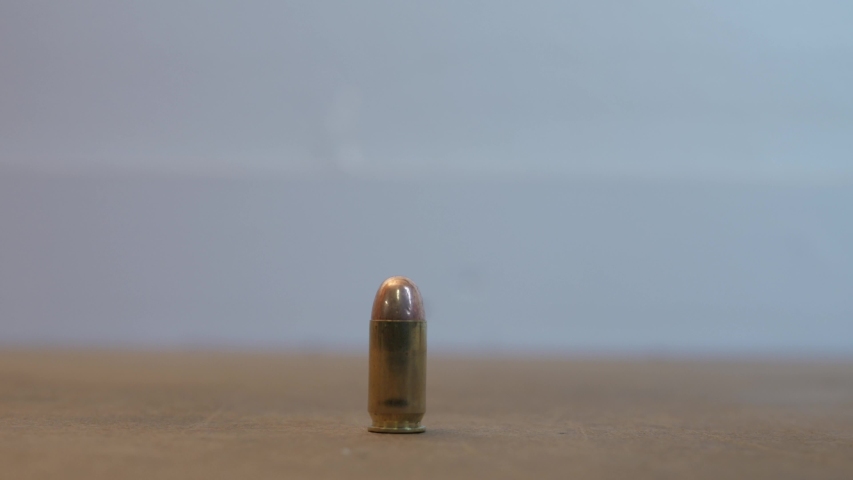
Matching Ammunition Type to Your Specific Use Case Without Overpaying
Matching ammunition type to your specific use case without overpaying begins with separating terminal performance from training economy. For self-defense, buy a compact lot of premium jacketed hollow points—confirming reliable expansion in your barrel—but reserve bulk FMJ for range drills, since the former costs double per round. For target practice, prioritize flat-point or round-nose full metal jacket with consistent primer seating, ignoring match-grade variants if your pistol groups inside two inches at ten yards; the accuracy surplus is wasted. Competition shooters should invest in 147-grain subsonic loads for softer recoil impulse, yet only after verifying they cycle your action. Overpaying occurs when you purchase specialized rounds for plinking or defensive loads for paper punching—assess your magazine count and distance, then buy only the grain weight and profile that your firearm cycles flawlessly.
Why Velocity and Muzzle Energy Matter More Than Brand Name
When picking 9mm ammo, the name on the box tells you little about how it actually performs in your gun. What really matters is the **measured ballistic performance**—velocity and muzzle energy—because those numbers directly dictate bullet expansion, penetration depth, and recoil management. A budget brand pushing a 124-grain bullet at 1,150 fps will outperform a premium label that barely reaches 1,000 fps from your barrel. For self-defense, low velocity can mean failure to expand; for competition, inconsistent energy makes follow-up shots unpredictable. Always test chronograph data for your specific firearm, not marketing claims.
- Check published velocity for your barrel length.
- Compare muzzle energy to target penetration goals.
- Choose the load hitting those numbers consistently.
Choosing Between Standard Pressure and +P Loads for Your Pistol
When choosing between standard pressure and +P loads for your pistol, start with your gun’s stamped rating. Most modern 9mm pistols handle +P, but older or compact models may wear faster. For self-defense, +P offers slightly higher velocity 7mm-08 Ammo for Sale and expansion, yet standard pressure—like a quality 124-grain JHP—already meets FBI penetration standards. For range practice, standard loads are cheaper, softer-recoiling, and easier to track for follow-up shots. Competition shooters often stick to standard for consistency, unless you’re shooting major power factor in USPSA. Always check your manual: if it doesn’t mention +P, don’t risk it. Your grip strength and comfort also matter—if flinching creeps in, +P hurts accuracy more than it helps.
Practical Tips for Storing and Handling Your 9mm Cartridges
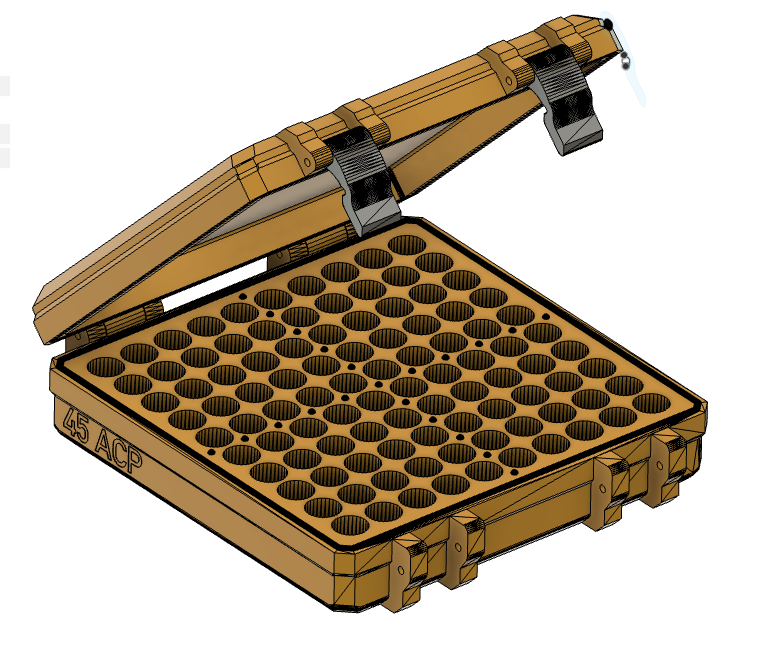
For reliable 9mm ammo, keep your cartridges in a cool, dry environment, ideally between 60–70°F, to prevent powder degradation and primer instability. Store them in their original factory boxes or an airtight ammo can with a desiccant pack, which keeps moisture out and prevents case corrosion. Always handle rounds by the case body, never the bullet tip, to avoid seating issues that cause feeding failures. Before loading your magazine, rotate your stock so older cartridges are used first, and inspect each round for dents, cracks, or loose bullets—discard any questionable piece immediately. Avoid exposing your 9mm cartridges to direct sunlight or vehicle gloveboxes, as heat accelerates propellant breakdown. Finally, always wipe down your hands after handling lead-nose or dirty rounds, then store them away from solvents or oils that can seep past the primer pocket.
Best Practices for Long-Term Storage to Prevent Corrosion and Misfires
For long-term 9mm storage, prioritize a stable, low-humidity environment to prevent corrosion and misfires. Seal ammunition in airtight, moisture-proof containers with 6.5 PRC Ammo for Sale desiccant packs, ideally in a climate-controlled space below 70°F and under 40% relative humidity. Rotate your stock annually, firing oldest cartridges first, to maintain primer reliability. Keep ammo in its original factory boxes inside the sealed container to prevent bullet setback and case deformation. Follow this sequence: (1) inspect each round for tarnish or loose primers, (2) apply a light corrosion inhibitor to cases—never primers—(3) store containers off concrete floors to avoid thermal wicking, and (4) check desiccants quarterly, replacing them when saturated. Avoid exposing rounds to temperature swings that cause condensation, as trapped moisture is the primary catalyst for corrosion-induced misfires.
How to Inspect Brass, Primer, and Seating Before Loading a Magazine
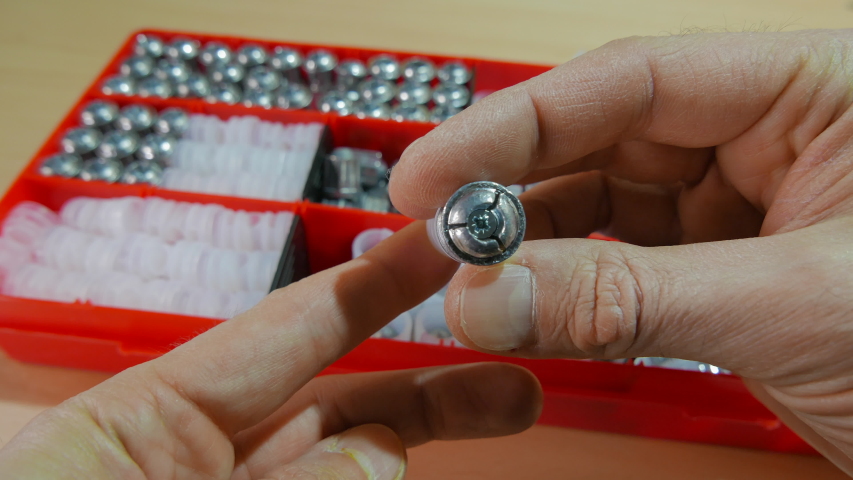
Before you load a mag, give each 9mm round a quick once-over. Start with the brass case inspection: Rifle Ammo for Sale look for cracks, dents, or a badly corroded greenish patina—toss anything sketchy. Check the primer: it should sit flush or slightly below the case head, with no strikes or craters. A proud primer can cause light strikes. Finally, verify the bullet’s seating depth—the ogive should meet the case mouth evenly, with no excessive crimp or bullet wobble when spun on a flat surface. If the round doesn’t look perfect, it’s not worth a jam mid-drill.
- Run your thumb over the case mouth for burrs or rolled edges.
- Shine a light into the primer pocket area to spot debris or smeared metal.
- Press the bullet nose against a hard surface—it should not push deeper.
Recognizing Signs of Overpressure or Bad Ammunition Before It Jams
Before a 9mm round jams, it often telegraphs distress through visible cues. Inspect each cartridge for signs of overpressure in 9mm ammo, such as flattened primers, cratered firing-pin strikes, or bulging case heads—these indicate excessive chamber pressure. Reject any round with a cracked, bent, Ammunition for Sale or corroded case, as these weak points invite extraction failures. Listen for a sharper, louder report than usual; that is a classic pressure spike warning. Also, feel for unusually stiff extraction—a sticky slide pull signals the case is expanding beyond safe tolerances. If spent casings show sooty, scorched necks, the seal is failing. Trust these symptoms immediately: stop shooting, unload, and discard the batch. Never force a reluctant cartridge into battery, as that is the final warning before a jam.
Flattened primers, bulged cases, and harsh recoil are your first clues; when spotted, cease fire and dispose of the ammunition before it jams.
Getting the Most Accuracy and Consistency from Your 9mm Rounds
To get the most accuracy and consistency from your 9mm rounds, start by matching the bullet weight to your barrel’s twist rate—115-grain bullets often group tighter in shorter barrels, while 147-grain loads shine in longer slides. Consistency comes from eliminating variables: use the same lot number of ammo, since powder and primer changes between batches shift point-of-impact. Feed your gun a steady diet of quality brass-case ammo over steel or aluminum, as it seals better in the chamber, giving uniform pressure and velocity. Test several brands at 25 yards to find what your specific pistol “likes,” then stick with that load for practice and carry.
Your gun will reward you with sub-2-inch groups when you stop mixing defensive and range fodder in the same session.
Also, avoid limp-wristing; a locked wrist keeps the slide cycle consistent, so every round chambers with the same alignment.
Zeroing Your Sights with a Baseline Load to Minimize Point-of-Impact Shifts
To eliminate guesswork from your 9mm’s point of impact, commit to a single baseline load before adjusting your sights. This standard cartridge—whether a 115-grain FMJ or 124-grain jacketed hollow point—becomes your zeroing reference, ensuring every sight adjustment translates directly to that specific velocity and bullet weight. Shoot a tight five-round group at your primary distance, then dial your sights to that center; this minimizes the frustrating POI shifts caused by switching between competing loads. Once zeroed, your baseline load anchors your optic’s logic, so future ammunition testing only measures deviation from a known standard, not your sight’s error.

- Always fire from a supported rest to isolate sight error from shooter error.
- Align your Rimfire Ammo for Sale baseline load’s velocity to your intended carry or competition ammo.
- Re-zero after any change in bullet weight or powder charge, not just brand.
How Temperature and Altitude Change Point of Impact in Real-World Shooting
In real-world 9mm shooting, temperature shifts alter powder burn rates, directly changing muzzle velocity and thus your point of impact. Hotter air thins, reducing drag, while colder air thickens it, dropping the bullet sooner at distance. Altitude compounds this: at higher elevations, lower air density decreases both drag and air resistance, causing flatter trajectories, whereas sea-level shooting requires more elevation adjustment. The practical effect means your zero at 75°F and 5,000 feet will print high and right (due to spin drift variations) compared to a cold, low-altitude range. Velocity loss from cold temperatures is the primary driver of low impacts, often exceeding 50 fps at freezing, moving a 124-grain load’s point of impact several inches at 25 yards.
- Expect a 100–150 fps velocity drop from 100°F to 0°F, raising your point of impact by roughly 1–2 inches at 25 yards
- At 8,000 feet elevation, reduced air density can push impacts 2–3 inches higher than at sea level for the same hold.
- Always re-zero when shifting between extreme temperature or altitude conditions—your 50-yard range card will be invalid.
Using Ammunition Lots to Keep Your Groups Tight from Box to Box
Even great 9mm ammo can drift between manufacturing runs, so check the lot number printed on the box. If you buy a case, ask for boxes from the same lot to keep your zero and point of impact identical. When you find a lot that prints tight groups, grab extra while it’s available—mixing lots means your bullet might shift impact slightly at 25 yards. For serious practice or competition, dedicate a specific ammunition lot for your carry ammo so your muscle memory matches your defensive loads. Keep a log of lot numbers with group sizes to spot which batches your pistol loves.
Common 9mm Ammo Mistakes Shooters Make and How to Avoid Them
Relying on the same box of 9mm ammo for both practice and self-defense is a classic mistake, as cheaper range loads often fail to mimic the recoil impulse of your carry rounds. Another huge error is ignoring how your specific gun feeds flat-nosed or hollow-point 9mm ammo, leading to frustrating jams. To avoid these issues, always run at least 200 rounds of your defensive load through your magazine to verify reliable feeding. Also, don’t dismiss the importance of bullet weight; sticking to 115-grain while your barrel prefers 147-grain can wreck accuracy. Finally, avoid mixing brands in one magazine, as inconsistent pressure can cause malfunctions. The key to fixing these common 9mm ammo mistakes is to test everything you carry and track what your firearm cycles best.
Why Buying Cheap Steel-Case Rounds Can Cost You More in the Long Run
Buying cheap steel-case 9mm rounds often means accepting a bimetal bullet with a harder copper-plated steel jacket. This jacket is less malleable than traditional brass-jacketed lead, causing accelerated wear on your barrel’s rifling and chamber throat over thousands of rounds. Steel cases also lack the elastic rebound of brass, so they can stick in tight chambers, especially when dirty or hot, leading to extraction failures that require forceful clearing. Additionally, the lacquer or polymer coating on steel can melt and gum up your feed ramp, causing malfunctions that brass never would. The hidden cost of cheap steel-case rounds emerges as premature parts replacement and range-time lost to stoppages. What you save per box, you often pay double in barrel wear and repair labor.
Q: Why buying cheap steel-case rounds can cost you more in the long run if they cause malfunctions?
A: Each malfunction forces you to manually cycle the slide, potentially damaging extractors or ejectors, and repeated failures can turn a $10 savings into a 7mm WSM Ammo for Sale $150 gunsmith bill plus a ruined shooting session.
Overlooking Recoil Spring Weight When Switching Between Light and Heavy Bullets
Swapping between light 115-grain and heavy 147-grain 9mm rounds without adjusting your recoil spring is a classic jam-maker. Lighter bullets generate less slide velocity, so a stiff spring meant for hot loads won’t fully cycle, causing stovepipes. Conversely, heavy subsonic rounds can overpower specialty sports a weak spring, slamming the slide too fast and battering the frame. The fix is simple: test your pistol with both weights and pick a recoil spring weight that reliably cycles your specific bullet type. If you shoot both regularly, consider a variable-rate spring or just accept tuning for your primary load.
Q: How do I know if my recoil spring is wrong for a bullet weight?
A: Watch for failure to eject on light loads, or a harsh, metallic slap and premature wear on heavy loads. Also, check your brass—if it’s thrown 15 feet away, the spring’s too light; if it dribbles out, too heavy.
Mixing Brands in One Magazine — What Happens and Why You Shouldn’t
Mixing brands in one 9mm magazine feels like a time-saver, but it’s a recipe for erratic performance. Different manufacturers use distinct powder burn rates, bullet shapes, and case dimensions, so your point of impact and slide speed can shift between rounds. That means a random flier just when you need consistency. Worse, a tight-chambered round from one brand can slam into the feed ramp after a shorter, snappier cartridge from another, causing a stoppage exactly when you’re counting on the gun. Mixing brands ruins reliable feeding, and it also makes diagnosing malfunctions nearly impossible.
- Stick to one brand and load per magazine.
- Shoot Shotgun Ammo for Sale out partial boxes separately instead of topping off.
- Label mags if you switch defensive vs. practice ammo.